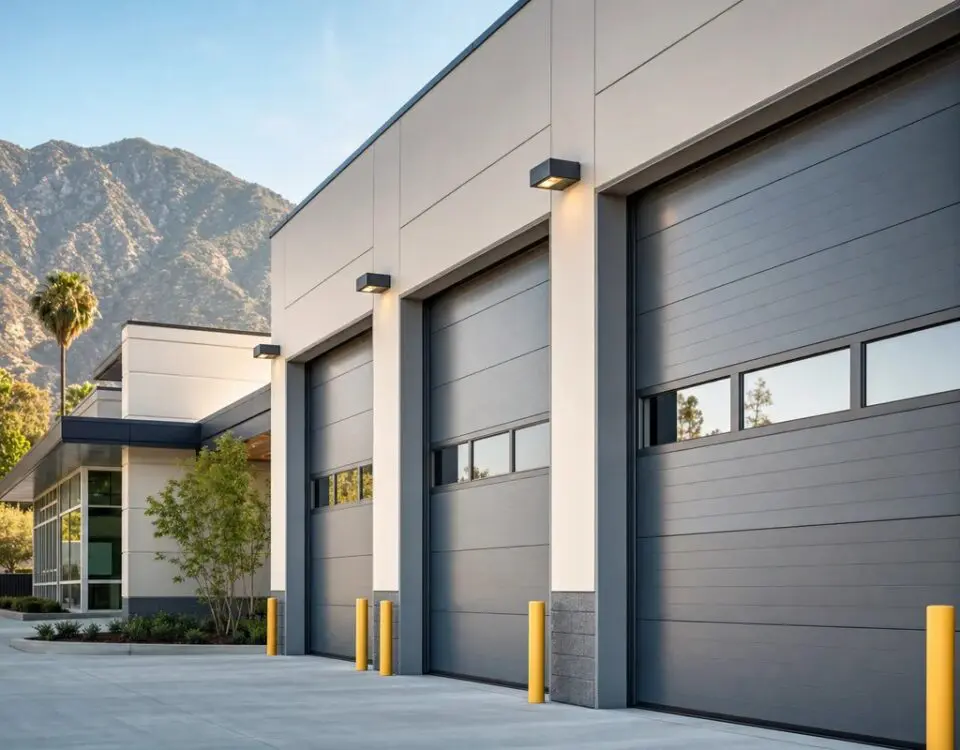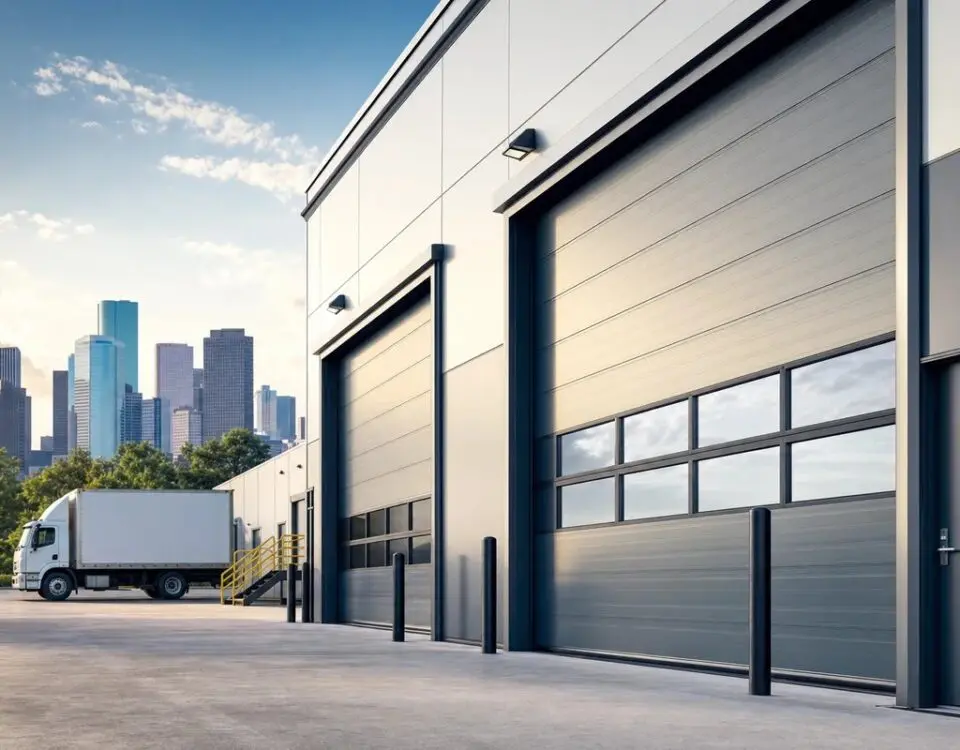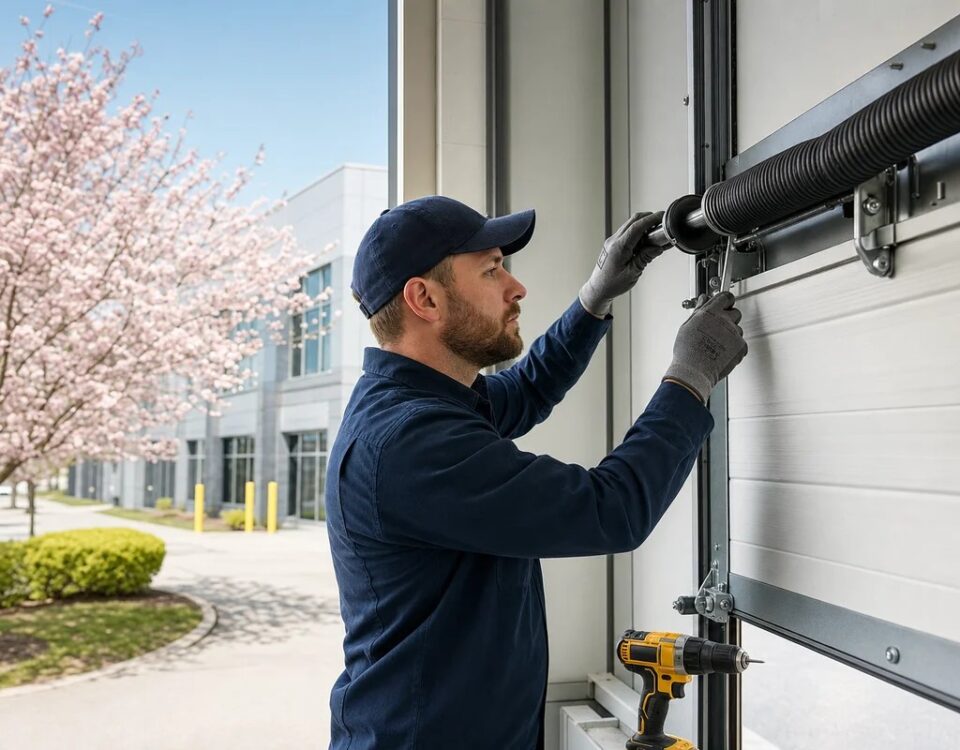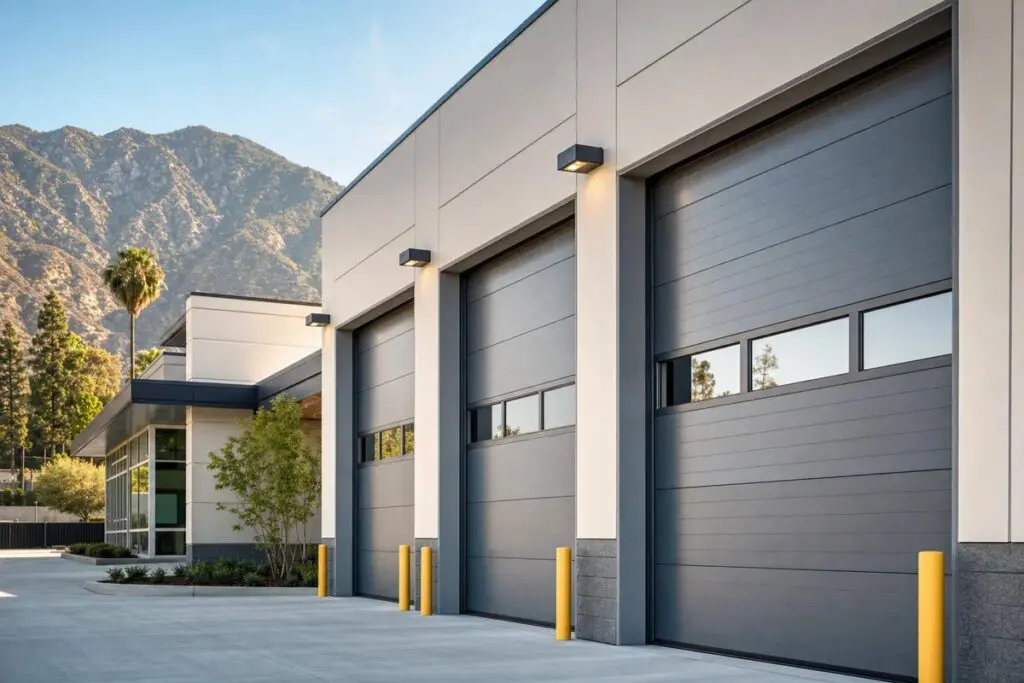
The Ultimate Guide to Choosing the Right Commercial Door for Your Business
September 16, 2025
Storefront Glass Door Repair Houston: 7 Common Fixes
May 9, 2026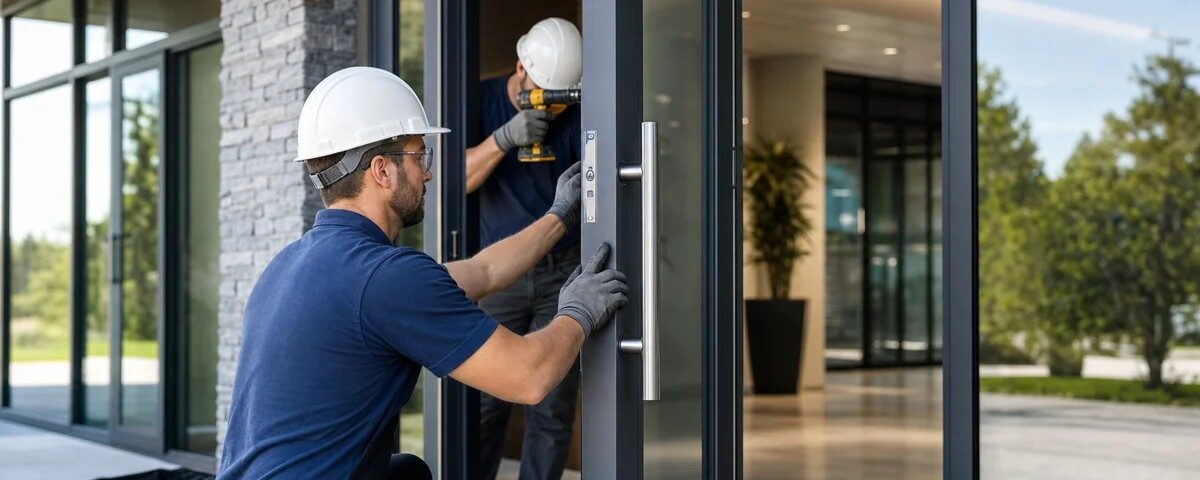
Commercial door installation that keeps your building secure, compliant, and easy to use
Commercial door installation is the professional fitting of a commercial-grade door, frame, and hardware to meet safety, security, and code requirements in business settings. It is not just “hang a door”, it is making sure the opening works reliably for real-world traffic, locks correctly, and supports life-safety needs like egress and accessibility.
This work is commonly requested by property managers, business owners, facility teams, and general contractors handling tenant buildouts, remodels, or door replacements. Below, you will see the main door types (including storefront systems), how to scope a simple swap versus a larger frame project, what a typical install day looks like, and how to request quotes so you can compare bids with confidence.
Commercial entry door installation options: choosing the right door and hardware first
Good commercial entry door installation starts with matching the opening to its job, high-traffic public entrances, back-of-house delivery doors, weather-exposed entries, and security-sensitive areas all want different materials and hardware. Early decisions like door material, frame condition, handing and swing, closer type, and threshold or weatherstripping can change the scope fast.
Plan for code requirements up front, including ADA accessibility, egress rules, fire ratings where required, and the right latch and lever hardware. Your local Authority Having Jurisdiction (AHJ) may also influence what is acceptable in your specific building. If you want a deeper rundown of common door types and where they fit best, see the ultimate guide to choosing the right commercial door for your business.
Commercial storefront door installation: what retail and office spaces typically need
Commercial storefront door installation often involves aluminum and glass door systems designed for frequent open and close cycles. It is common to see continuous hinges or pivots paired with heavy-duty closers that can handle steady foot traffic without drifting out of alignment.
Operational choices matter, single versus double doors, push and pull hardware versus panic devices where required, and lock compatibility with access control. Planning details like alignment with sidelites and transoms, floor condition at the threshold, and smooth ADA-clearance operation help prevent costly rework.
When it is a simple swap vs a larger opening and frame project
Some projects are straightforward: replacing a door slab and hardware when the existing frame is square, secure, and in good condition. This is common when the issue is wear, dents, or a failing lockset, not structural damage.
Other jobs require full-scope work, including damaged frames, out-of-square openings, rusted steel frames, or changing the door size or swing. The more you change the opening and frame, the more impact you will see on timeline, coordination with other trades, and overall cost.
Hiring a commercial door installer: what to check before you commit
A skilled commercial door installer focuses on fit and function, because a proper install supports building security, fire and life-safety intent, and daily usability for employees and customers. Even a great door can perform poorly if the frame is out of plumb, the latch does not align, or the closer is misadjusted.
When comparing providers, look for experience with your door type (steel, storefront, fire-rated), the ability to source commercial-grade hardware, and familiarity with local requirements. Ask for clear documentation that spells out scope of work, a materials and hardware list, and what is included or excluded (frame work, patching, disposal, or locksmith coordination).
Questions to ask commercial door contractors and any commercial door installation company
Before hiring commercial door contractors, ask how they verify sizing and handing: who measures, how they handle out-of-square frames, and what happens if the opening needs modification. Measurement responsibility is a big deal, it affects lead times, ordering, and whether the new door truly fits.
Ask about coordination and downtime: how they schedule to keep your entrance secure, whether off-hours work is possible for your site, and how they protect adjacent finishes during removal and installation. Finally, ask how the commercial door installation company aligns with code and safety needs, including ADA-friendly operation, proper closer adjustment, and correct egress hardware when required (often guided by the International Building Code (IBC), local amendments, and the ADA Standards for Accessible Design).
What a commercial door installation service looks like on installation day
A professional commercial door installation service typically starts by confirming the opening condition, frame integrity, floor level at the threshold, and hardware compatibility. If anything is off (like a damaged jamb or an uneven floor), it is better to catch it before the new door is hung.
Expect some disruption: noise from removal and drilling, temporary entry restrictions, and short periods where the opening must stay controlled for security. Staging materials close to the opening usually speeds the job up. Quality checks that matter include smooth swing, latch alignment, closer settings, and secure mounting of hinges, pivots, and strike plates.
Step-by-step process to install commercial doors with minimal downtime
- Confirm measurements, handing, and hardware before removal, including the closer, lockset, and any panic hardware or access control components.
- Remove the existing door and hardware, then inspect the frame and opening for damage, loose anchors, or cracking around the jambs.
- Repair or prep the opening so the frame is square, plumb, and secure. Minor shimming and reinforcement here often prevents call-backs later.
- Hang the new door, install hinges or pivots, and mount the lockset plus any required hardware (for example, a latch guard or kick plate if specified).
- Install and adjust the closer, along with weatherstripping, threshold, and sweep so the door closes consistently without slamming or dragging.
- Test security and life-safety function: verify latch engagement, confirm egress operation where required, and make final alignment tweaks so the door seals and operates smoothly.
This is the core workflow most teams follow to install commercial doors efficiently while keeping your space safe and usable.
Getting a commercial door installation quote: cost drivers and how to compare bids
Pricing for commercial door installation depends on scope, not just the door. Frame condition, hardware requirements, and any opening modifications often drive labor and complexity more than the slab itself.
To compare bids fairly, review the written scope for door and frame specs, hardware brand and grade, closer model, and what is included (removal, disposal, patching, adjustments, and testing). Also plan for operations, timing, access to the work area, and how secure entry will be maintained during the work.
How to request a free estimate and narrow down commercial door installation near me options
To get faster, more accurate pricing, share the door location, clear photos of the door, frame, and existing hardware, approximate dimensions, and the main problem you are trying to solve (security, code alignment, wear, or draft control). That information helps providers identify whether you are looking at a simple replacement or potential frame and opening repairs.
Common cost factors include:
- Door type (steel, aluminum and glass)
- New frame vs reusing the existing frame
- Closers and panic devices
- Access control and lock compatibility
- Opening and threshold repairs
When you are searching commercial door installation near me, ask for an itemized scope so you can compare bids confidently. Heights Door Works offers free estimates, which can make early budgeting and scheduling much simpler.
Book your commercial door installation with less guesswork
If you want a smoother project, start with a quick checklist:
- Confirm your door type and usage (entry, back door, storefront)
- Document measurements and take clear photos of the opening and hardware
- Identify access and scheduling constraints (busy hours, delivery windows)
Then request a written scope that lists materials and hardware, expected timeline, and what testing and adjustments are included at completion. If you are ready to price the work, you can request a free quote from Heights Door Works and get clear expectations before you schedule.
Commercial door installation FAQs
These quick answers cover the planning questions decision-makers ask most often before scheduling service.
How long does commercial door installation usually take?
Many replacements can be completed in a few hours, but timelines vary based on whether the frame can be reused, whether the opening needs repairs, and how complex the hardware is. Sharing photos and door details when requesting a quote is the fastest way to get a reliable schedule.
Can commercial door contractors install panic hardware and closers at the same time?
Yes, many projects bundle the door, frame work (if needed), and commercial-grade hardware installation in one visit. When comparing bids, confirm the exact hardware included and that final adjustments and testing are part of the scope.
Is commercial storefront door installation different from a standard entry door?
Storefront systems often use aluminum framing and glass with pivots or continuous hinges, and they require precise alignment for smooth operation and proper sealing. Hardware also needs to match heavy traffic and any locking or access control requirements.
What should I search for if I need commercial door installation near me?
Look for providers that specifically list commercial door installation, mention the door types you have (storefront, steel, fire-rated), and can provide a written scope and timeline. Request a free quote and share photos and basic dimensions to speed up scheduling and pricing.